
The Role of Mini-Exhibitions in Community Building
Mini-exhibitions have emerged as a vital component in hybrid entertainment hubs, serving not only to entertain but also to foster community connections. This article explores how these engaging displays contribute to community building, supported by research and best practices in the field.
Understanding the Basics
Mini-exhibitions are typically curated spaces that showcase specific themes or topics, often integrating interactive elements to enhance visitor engagement. According to industry experts, these exhibitions can create a shared experience among attendees, which is essential for community development. The principle behind this is that people bond over shared interests and collective experiences, leading to stronger community ties.
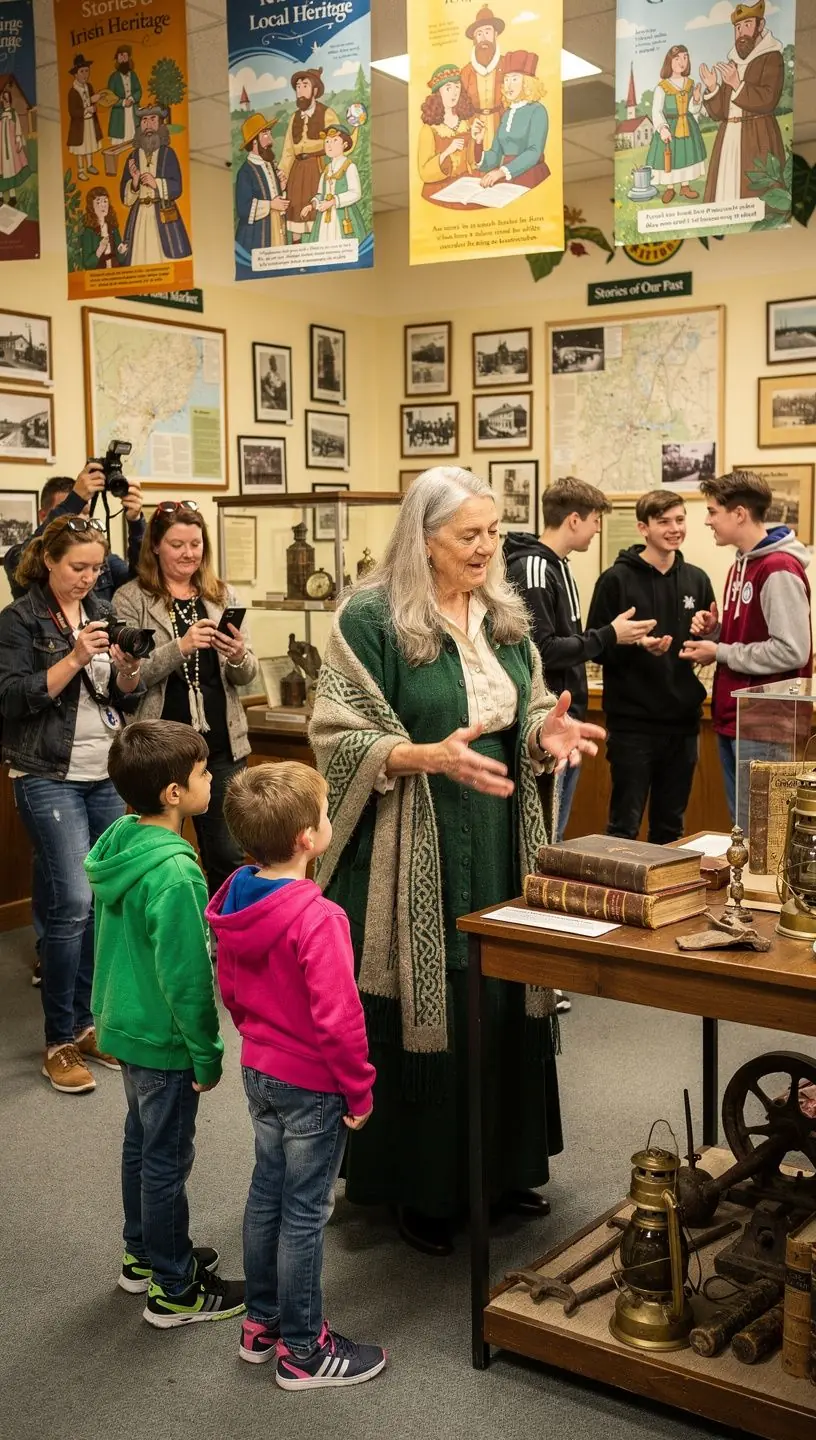
"Mini-exhibitions offer a unique opportunity for individuals to connect, learn, and collaborate within their communities." - Community Development Expert
How Mini-Exhibitions Foster Community Interaction
There are several ways in which mini-exhibitions can promote community building:
- Encouraging Collaborations: By featuring local artists, historians, or experts, mini-exhibitions create platforms for individuals to collaborate and share knowledge. This often leads to local partnerships that strengthen community networks.
- Promoting Inclusivity: Mini-exhibitions can cater to diverse audiences, making them accessible to various age groups and backgrounds. This inclusivity fosters a sense of belonging among community members.
- Facilitating Dialogue: These exhibitions often include interactive components, such as workshops or discussion panels, which encourage dialogue among attendees. Research indicates that such interactions can lead to increased social cohesion and community involvement.
Practical Application
Implementing mini-exhibitions in your community can be a rewarding venture. Here’s a step-by-step guide to consider:
- Identify Themes: Focus on themes that resonate with your community's interests and culture. This ensures that the exhibitions are relevant and engaging, which is crucial for attracting visitors.
- Engage Local Stakeholders: Involve local artists, businesses, and organizations in the planning process. Their insights can enhance the relevance and appeal of the exhibition.
- Promote the Event: Utilize social media, local newspapers, and community boards to spread the word. Effective marketing can significantly increase attendance, which is essential for fostering community interaction.
Challenges and Considerations
While mini-exhibitions can be effective in community building, there are limitations to consider:
- Setting up a mini-exhibition typically requires considerable time and effort, often taking several weeks to organize.
- Community engagement may vary, with some individuals being more inclined to participate than others, which can affect the overall impact.
- It’s essential to maintain ongoing community involvement beyond the exhibition to sustain the relationships built during the event.
Conclusion
Mini-exhibitions serve as valuable tools for community building, offering platforms for interaction, collaboration, and inclusivity. By applying measured approaches and acknowledging potential challenges, communities can harness the power of these exhibitions to foster deeper connections among members. As studies suggest, the collective experience can create lasting bonds, ultimately contributing to a more cohesive community.
Discover More