How to Create Engaging Hybrid Entertainment Events
With the rise of hybrid entertainment hubs, combining board games, mini-exhibitions, and quest-style interactive experiences, event organizers face the challenge of creating engaging events that captivate diverse audiences. This article provides insights and practical steps to design memorable hybrid events that resonate with participants.
Understanding the Essentials of Hybrid Events
Hybrid entertainment events typically blend physical and digital experiences, allowing for broader participation. Research indicates that events featuring both in-person and virtual elements can enhance engagement by up to 30%, as they cater to varying preferences and comfort levels (source: Event Marketing Institute). The principle behind this approach is simple: it increases accessibility while fostering interaction among diverse groups.
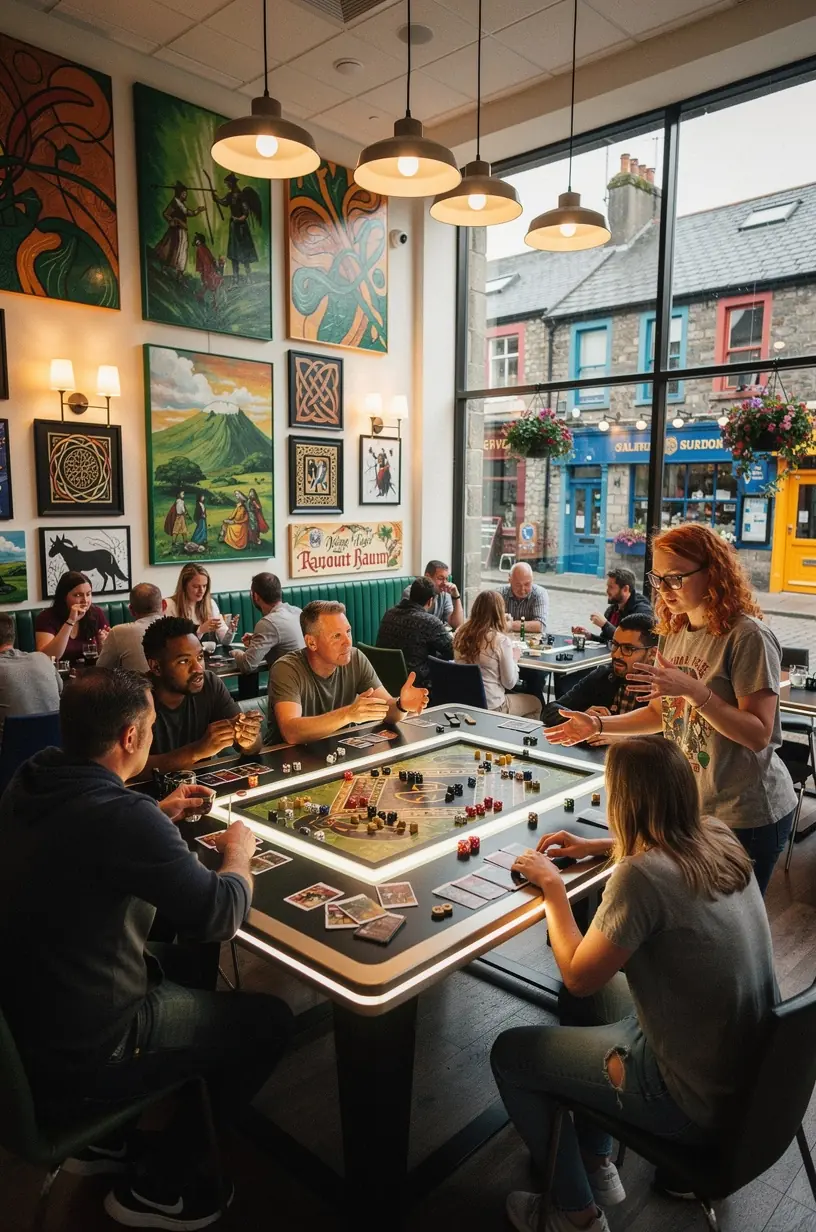
"Events that successfully combine multiple formats tend to attract more participants and foster deeper connections." – Industry Expert
Key Components for Success
Creating engaging hybrid entertainment events involves careful planning and consideration of various elements. Here are some actionable steps:
- Define Your Audience: Understanding your target demographic is crucial. Surveys and feedback from previous events can help tailor content that resonates well.
- Offer Diverse Experiences: Include a mix of board games, mini-exhibitions, and interactive quests. This approach accommodates different interests and keeps participants actively engaged throughout the event.
- Utilize Technology Effectively: Leverage platforms that facilitate interaction, such as virtual games or live-streaming services. This not only enhances the experience but also allows for real-time feedback and interaction.
Logistics and Implementation
Implementing a hybrid event typically requires significant logistical planning. It’s essential to consider the following:
- Time Commitment: Planning a successful hybrid event generally takes 8-12 weeks, depending on the complexity and scale of the event.
- Resource Allocation: Ensure you have the necessary equipment and personnel to manage both in-person and online participants, which may involve hiring tech support or event staff.
- Testing and Iteration: Conducting a dry run or pilot event can often reveal potential issues, allowing you to make necessary adjustments before the main event.
Measuring Success
After the event, it’s important to evaluate its success through various metrics. Experts recommend using participant feedback, engagement rates, and social media interactions to gauge effectiveness. Setting clear objectives in advance aids in this evaluation, as results typically appear within 1-2 weeks post-event.
Conclusion
Creating engaging hybrid entertainment events can be a rewarding endeavor when approached thoughtfully. By focusing on audience needs, diverse offerings, and effective logistics, organizers can enhance participant experience and satisfaction. Remember, a successful hybrid event requires careful planning, flexibility, and a willingness to learn from each experience.